


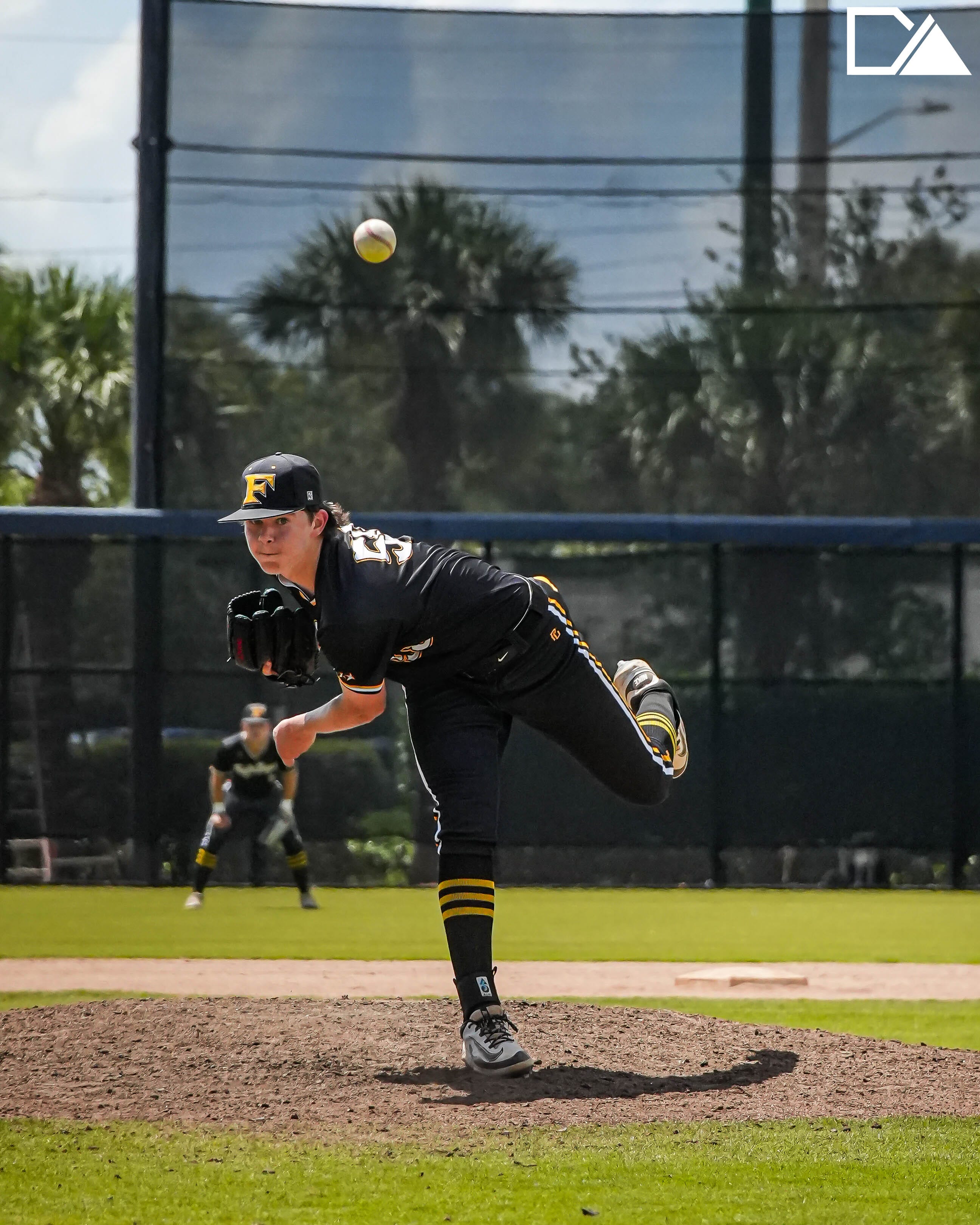
Pitchers today are constantly chasing velo, and you see kids at progressively younger ages hitting 90 MPH. 90 always seems to be the magic number that kids are chasing, but that seems to increase over time as well. How important is velo for recruiting? There is a baseline velo that recruiters are looking for, but it depends on the division and whether you are a lefty or right-hander. Velo still gets you noticed, but other factors are weighing in more heavily than in the recent past.
Velo
Do you have enough velo to get on the radar? Depending upon the level of school you are pursuing, there is a minimum velo needed to be effective. Velo requirements are a little lower for left-handers than right-handers. There are plenty of charts showing these requirements, but they seem to change every year, although not significantly. Left-handers’ requirements usually are a couple MPH lower than for the right-handers.
Throwing Strikes
Parents have yelled it from the stands, and even coaches have said it from the dugout. “Just throw strikes!” What does that mean, though? I think of it as pitch to contact. Throw a pitch that entices them to swing and induces weak contact. By keeping your strike percentage at about 70%, you keep the hitters engaged, and they know a walk will be difficult. It also keeps the defense attentive and ready to make plays. Lulling the defense to sleep with walks, deep counts, and little action makes for a long game. The defense has no chance of getting a player out on a walk. With weak contact, the defense makes plays for outs.
Movement
While throwing strikes is important, putting a flat, straight fastball down the middle with no movement is a recipe for disaster. Hitters can catch up to a fastball regardless of its velo. It’s important for a pitcher to have movement on his fastball. Throwing a 2-seam will usually give enough run to make it difficult to hit. A straight 4-seam is a hitter’s dream. It can be effective as a different look, especially high and tight. Hitting movement is way more difficult than a straight fastball.
Changing Speeds and Hitter’s Eye Level
Varying speeds is another tool to make pitching more effective. A classic changeup is a common pitch to use. Without even using a secondary pitch, going from 90% effort to 100% effort is sometimes enough of a velo change to throw the hitter’s timing off. Changing the height of the pitch is also effective. Making a hitter change his eye level can also interrupt his normal hitting pattern. Hitting is tough anyway, so any changes only make it that much tougher. Hitters who fail 70% of the time are considered really good.
Secondary Pitches
In addition to the fastball, recruiters are looking for at least 2 other pitches that he commands. Whether curveballs, sliders, changeups, etc. he needs 2 other pitches that he can reliably throw for strikes. The pitches should effectively look like fastballs until they don’t . . . meaning late break and coming out of the same tunnel or release point. Deceptive pitches keep the hitters out of rhythm and effectively get swings and misses.
Getting Ahead in the Count
Throwing first-pitch strikes and staying ahead in the count is probably the most effective tool the pitcher has. If he can’t throw strikes, hitters will not swing at anything that may look out of the zone and will sit on fastballs. Getting ahead in the count allows pitchers to utilize all the tools in their arsenal. A hitter with 2 strikes is usually going to swing first, and that opens up all the chase-me options. According to MLB data, a first pitch strike drops the batting average by about 29 points. A first pitch ball increases the average by about 12 points. So the difference between a 1-0 count and a 0-1 count is about 41 points in batting average.
Maintaining Velo
Another recruiting factor regarding velo is how long the pitcher sustains his velo. If it starts to drop off after just an inning or two, that could be ineffective as a starter. It might be ok if they are looking for short relief. Sustainable velo is key to throwing meaningful innings. As velo decreases, hitters are able to adjust more easily. By the second or third time through the lineup, their batting success will increase. Throwing at max effort on every pitch will reduce the time that the pitcher can maintain velo. Early fatigue usually means loss of control and command.
Situational Competition
Pitchers also need to possess situational awareness and competitiveness. They need to cause outs. That’s their first priority. They don’t need to strike everyone out. They just need to get them out. Ground outs and pop-ups are typically better for longevity than throwing strikeouts. Outs through contact usually result in lower pitch counts, longer mound presence, and less fatigue.
Velocity should be the result of development, not the qualifier. Showcases and tournaments, especially Perfect Game and Prep Baseball, are so focused on the metrics that it has become difficult to consider anything else. To get any additional information, you have to dig deeper into the statistics to better understand the effectiveness of the pitcher. Perfect Game does keep score for any of their DiamondCast games, but for others, the teams themselves keep score, usually via GameChanger. For scouts and recruiters, they have to see the performance and hope to get more supporting evidence of the outing. Velo matters, but it’s certainly not the only thing to consider. The emphasis should keep moving toward pitching versus just throwing hard. Ultimately, the pitcher’s job is to get outs.